


Historic Family Travel Destinations: Where Curiosity Meets Connection

Chosen theme: Historic Family Travel Destinations. Join us as we transform family vacations into living, breathing history lessons—full of wonder, hands-on discovery, and stories you will retell for years. Subscribe, share your favorite sites, and help us plan new journeys together.

Why Historic Family Travel Destinations Matter

Standing beneath weathered arches or within fortress walls invites children to imagine the people who built, defended, and cherished them. The stones become storytellers, and your family becomes part of a larger, ongoing narrative that stretches beyond any classroom.

This is the heading

Lorem ipsum dolor sit amet, consectetur adipiscing elit. Ut elit tellus, luctus nec ullamcorper mattis, pulvinar dapibus leo.

This is the heading

Lorem ipsum dolor sit amet, consectetur adipiscing elit. Ut elit tellus, luctus nec ullamcorper mattis, pulvinar dapibus leo.

Immersive Encounters

Watch a blacksmith hammer glowing iron or a printer set type letter by letter. Children quickly realize how everyday objects once required skill, patience, and community. Encourage them to ask artisans about apprenticeships, tools, and the challenges of colonial life.

Hands-On Learning Moments

Seek workshops where kids try quill writing, period games, or simple candle-making. Movement matters: rotating between demonstrations and participation keeps curiosity alive. End with a family reflection—three facts each person learned and one lingering question to explore later.

Where to Pause and Refuel

Historic Family Travel Destinations reward unhurried meals. In Williamsburg, pause on shaded benches or near taverns to sip water, review maps, and plan gentle detours. Little rituals—snacks, sketches, and shared jokes—become anchors that hold memories in place.

Interactive Learning on the Road

Create a hunt for architectural details, trade tools, or symbols on plaques. Add prompts like “What problem did this tool solve?” or “Who was excluded here?” Purposeful searching helps children connect artifacts with human needs, power structures, and change.

Respect, Safety, and Accessibility

Caring for Fragile Places

Teach kids why we do not climb on ruins or touch delicate surfaces: oils and friction damage centuries-old materials. Show them alternative ways to engage—photograph textures, sketch details, and listen quietly to guides who safeguard community heritage.

Comfort for Little Explorers

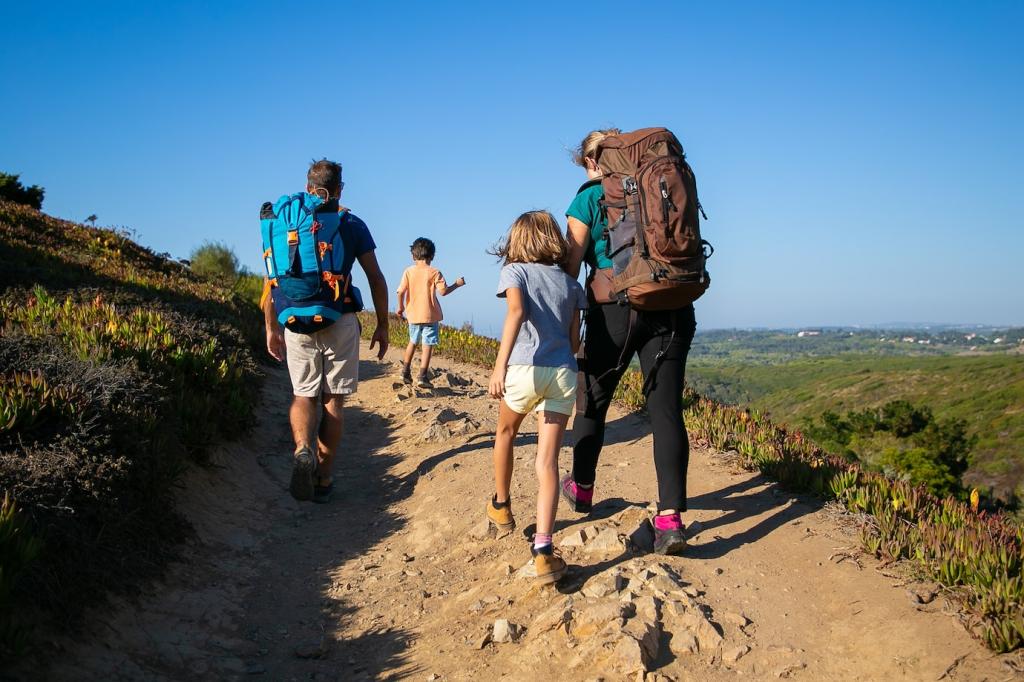
Pack water, sun protection, and layered clothing. Historic Family Travel Destinations often mean cobblestones, uneven paths, and changing weather. Comfortable shoes and scheduled rests help children stay curious instead of cranky, especially during longer walking tours.

Accessibility Smarts

Check accessibility pages ahead of time for ramps, quiet rooms, or sensory-friendly hours. Many sites offer tactile exhibits or audio descriptions. Asking in advance signals respect and helps staff tailor guidance that fits your family’s unique needs.

Anecdote: A Grandfather’s Whisper at the Colosseum

As sunset brushed the Colosseum’s arches, a grandfather whispered that it opened in AD 80. His granddaughter traced stone with her finger and asked, “Who sat here?” Historic Family Travel Destinations thrive on questions that pull hearts closer.

Anecdote: A Grandfather’s Whisper at the Colosseum

Try prompts like “Who had power here?” “What sounds filled this space?” and “What would we change today?” Open-ended questions invite children to think critically, compare eras, and see themselves as emerging stewards of shared heritage.
Thevillainmusic
Privacy Overview

This website uses cookies so that we can provide you with the best user experience possible. Cookie information is stored in your browser and performs functions such as recognising you when you return to our website and helping our team to understand which sections of the website you find most interesting and useful.